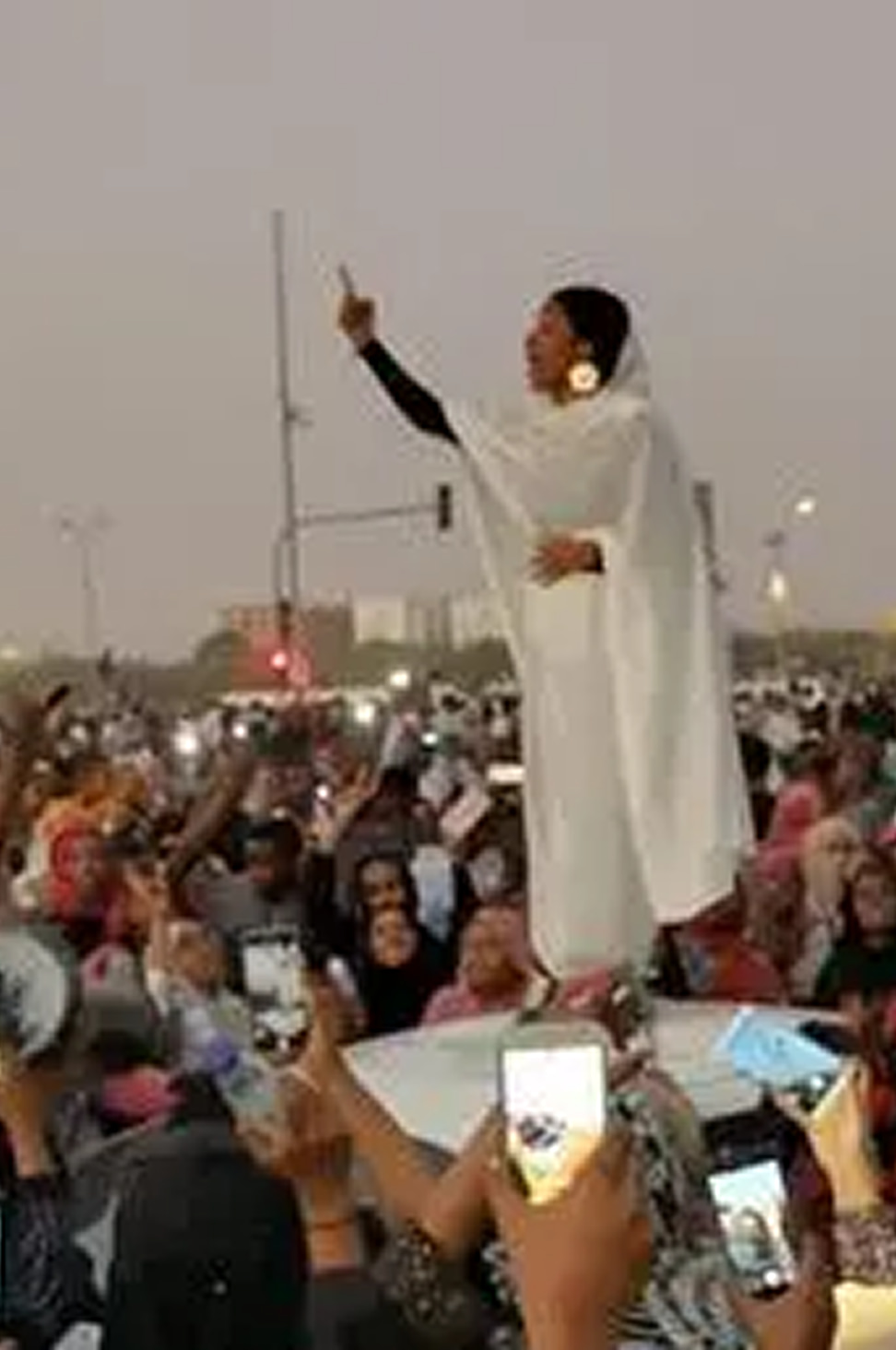




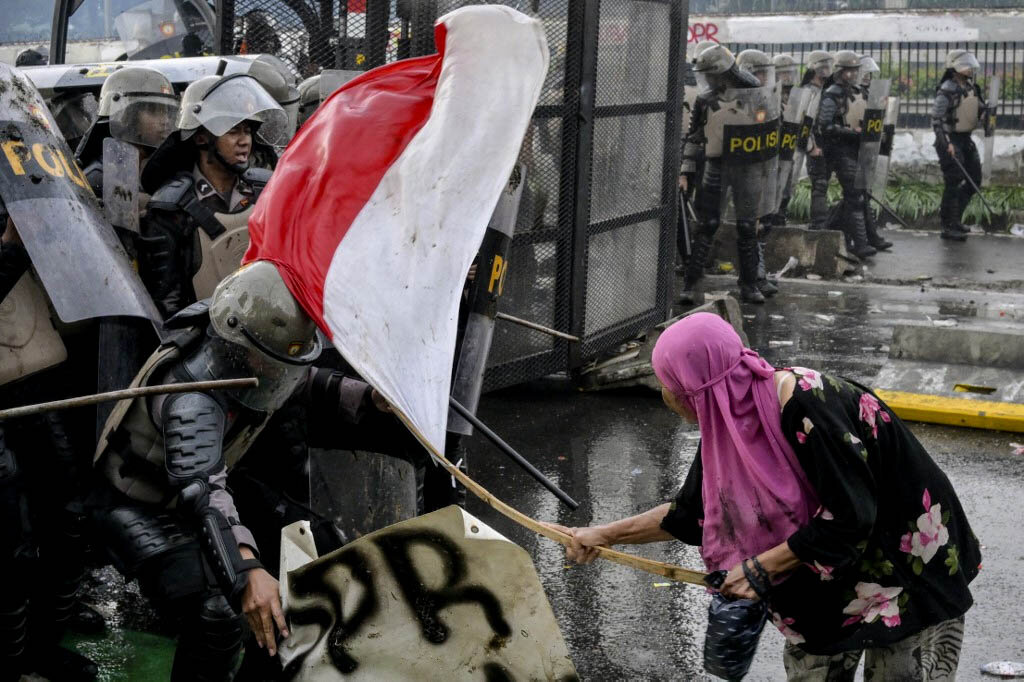
A woman in pink hijab strikes riot police with the national flag during a protest in Jakarta. Ibu Ana's pink hijab, with Affan Kurniawan's green uniform become colours of resistance for #ResetIndonesia.
(AFP/Bay Ismoyo)
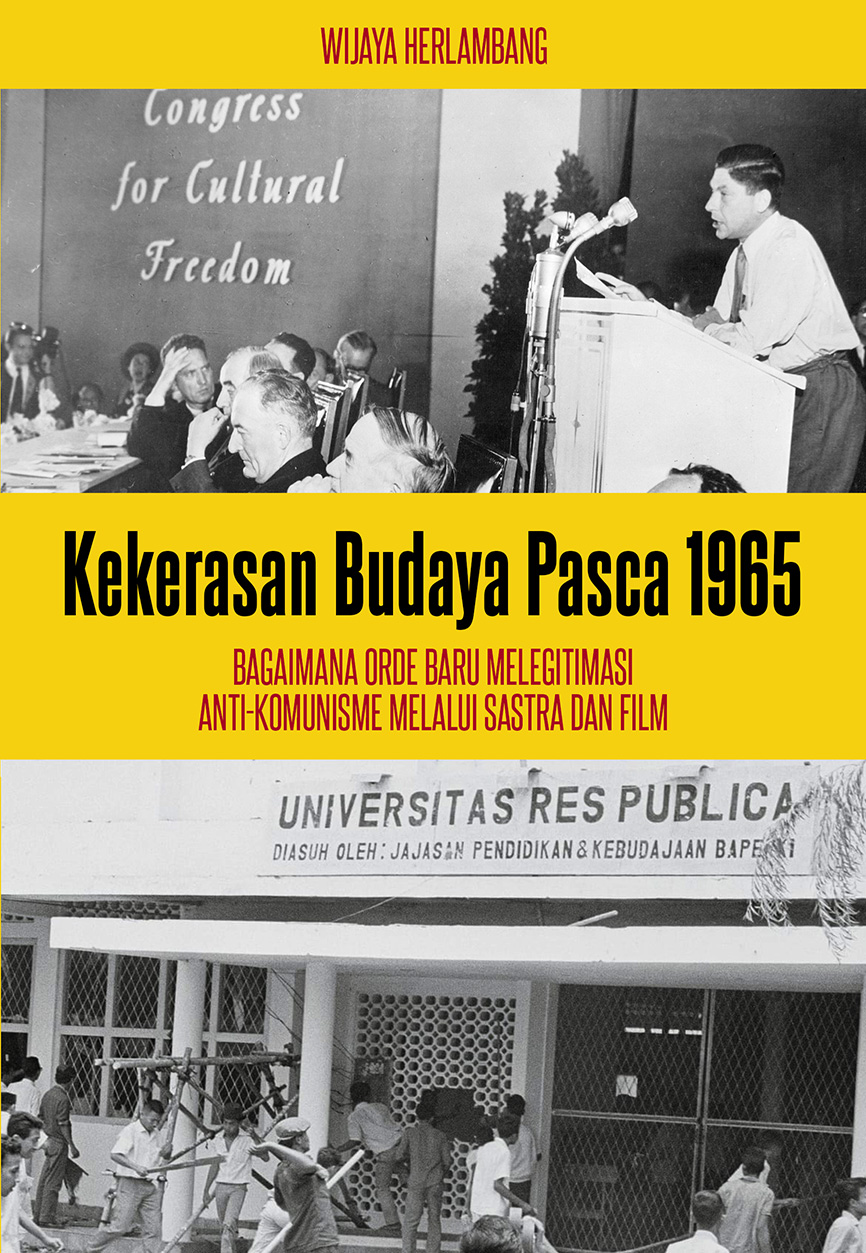
On August 28, 2025, as the rainy season loomed, tens of thousands of Indonesians—workers, vocational students, and stay-at-home mothers—flooded the streets of Jakarta. They came in fury at the parliament's decision to grant each member a housing allowance of fifty million rupiah—around ten times the city's minimum wage—while ordinary people suffocated under a deepening cost of living crisis. Riot police responded with brutality: tear gas clouds filled the air, batons cracked down, and an armored tactical vehicle struck and killed a young online motorcycle taxi driver, Affan Kurniawan. His death ignited a wave of grief and rage that spread across the archipelago. And suddenly, the old chant for accountability swelled into a call for regime change.
By August 30, the uprising had reached Denpasar, Bali. The city where our film collective, QAMERAD, was born just a year earlier under the simple premise that cinema could be a tool for imagining queer liberation. That Saturday, students and online taxi drivers massed before the Bali police headquarters. Some of us joined the frontline, others tended wounds as part of the makeshift medical team. Coincidentally, our monthly screening was also scheduled on that same night, just a few blocks from the protest. As the day spiraled into violence, questions pierced our collective:
What is the role of queer cinema in the midst of revolution?
Is it indulgent, even counter-revolutionary, to watch queer films while the streets burn? Or can cinema, if activated differently, sustain revolt by opening the space of collective imagination that regimes seek to crush?
***
.BIYSOQf3.jpg)
Queers Shoot Back! (2023)
Cover by Katyusha Methanisa
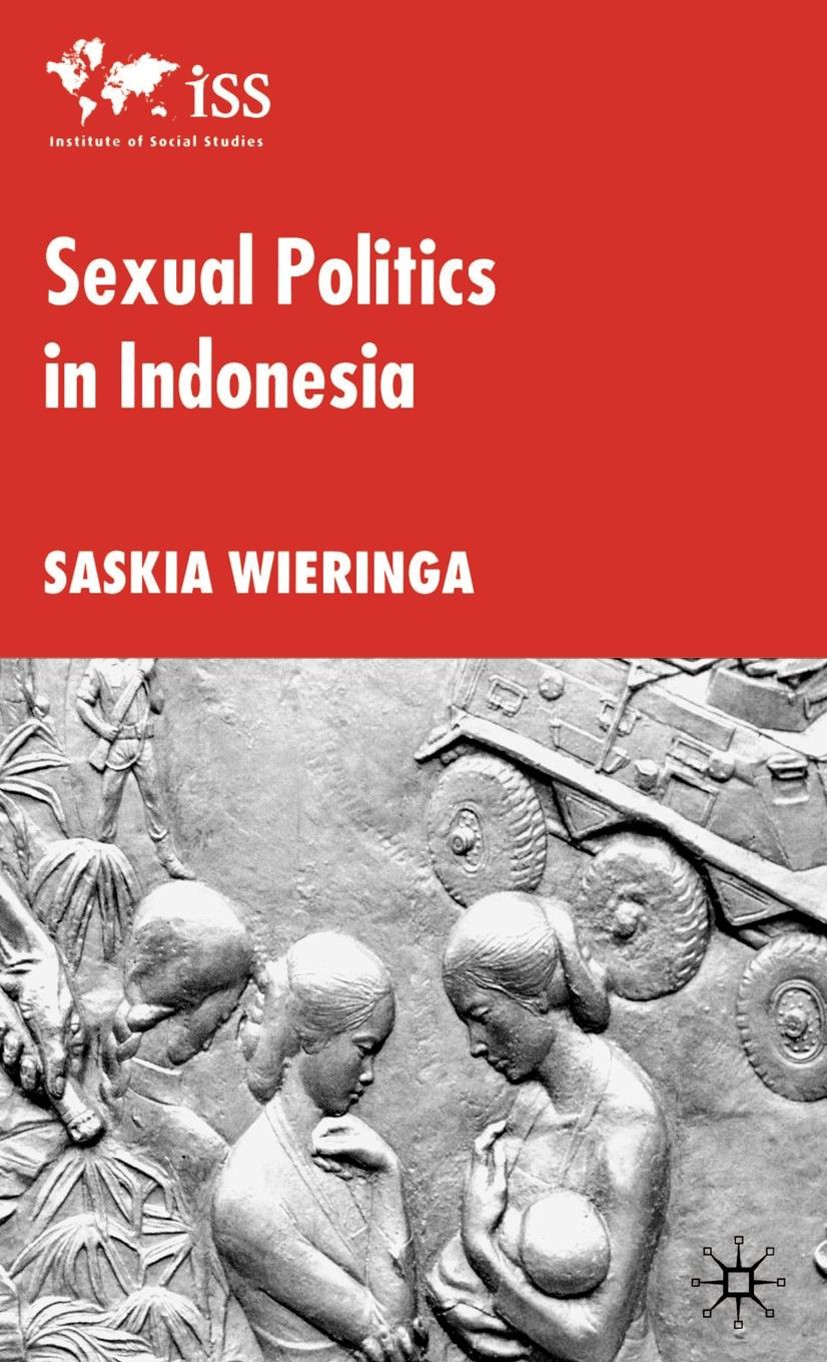
When I wrote Queers Shoot Back!—my study of radical queer cinema—I leaned heavily on Latin America's Third Cinema of the 1960s, especially Solanas and Getino's militant manifesto that declared film a weapon against imperialism. Indonesia had never crossed my mind. The films I knew from that period—mostly Usmar Ismail's—were psychological dramas of middle-class protagonists confined to bourgeois interiors. They were polite and even “apolitical.” Back then, my own country seemed absent from the militant map.
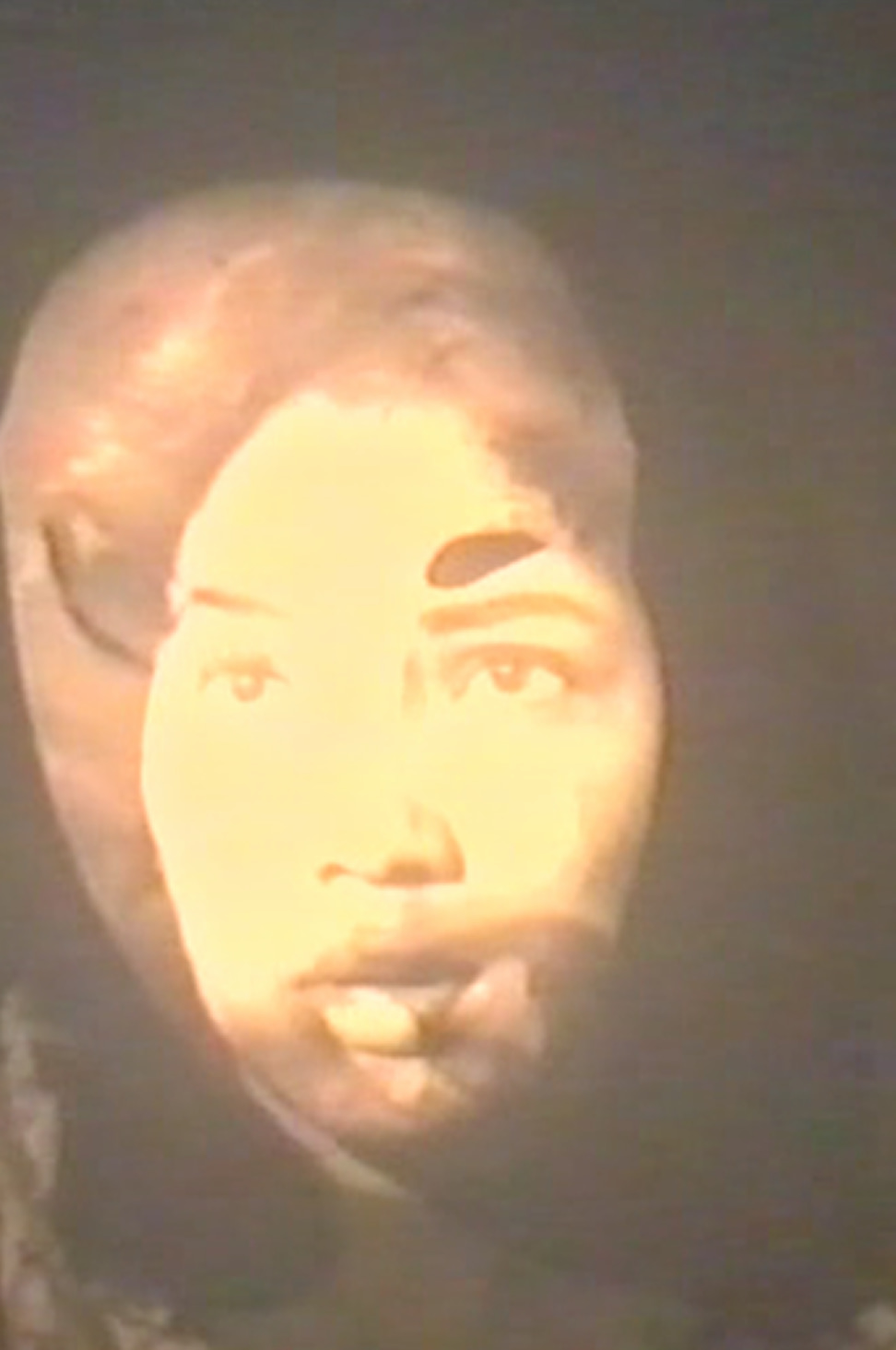
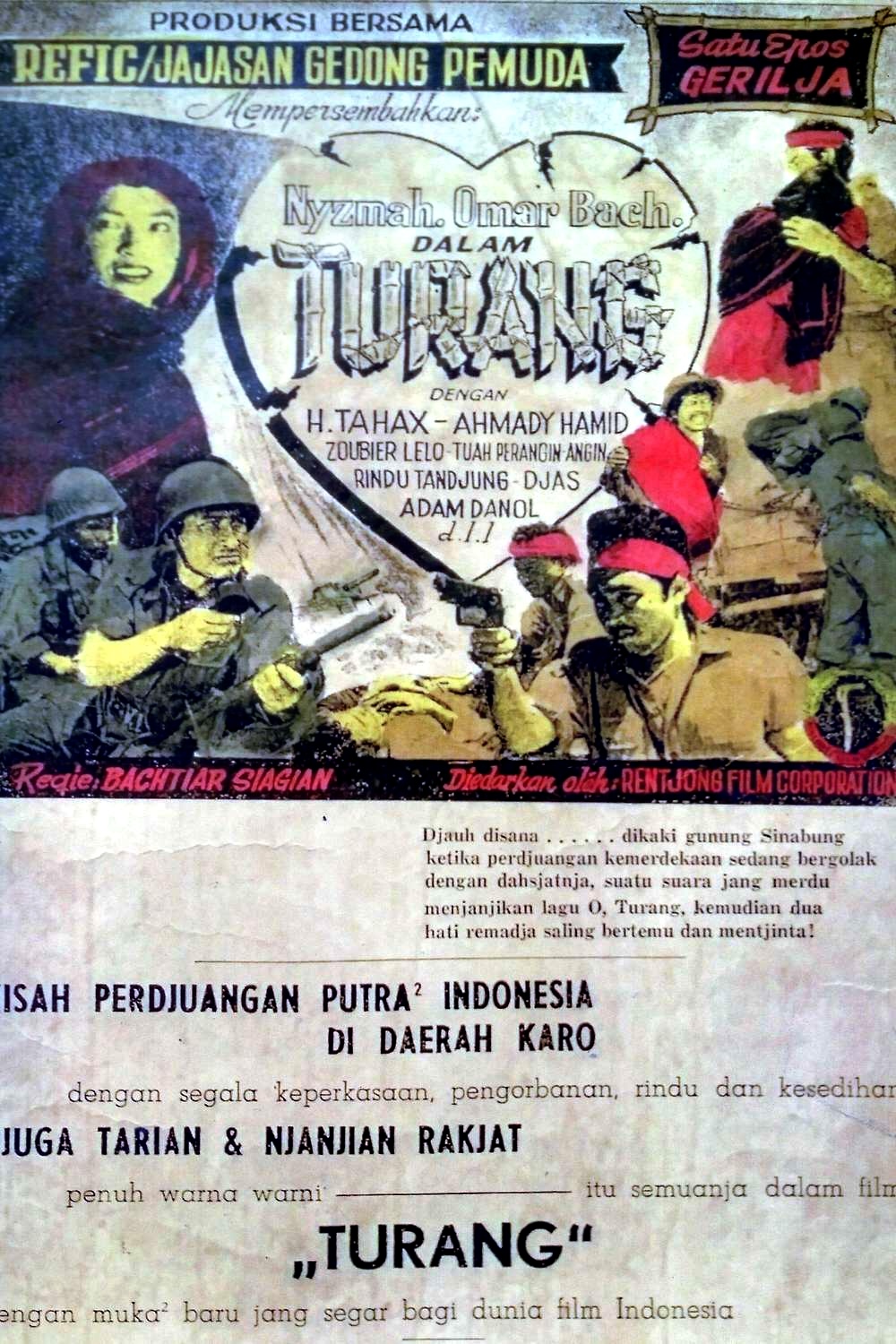
That illusion shattered in April this year, when I attended the Bali premiere of Turang (1957), a film once thought destroyed in the anti-communist purges of 1965, and recently rediscovered in a Russian archive by the filmmaker's daughter, Bunga Siagian. Its director, Bachtiar Siagian, was a leftist voice erased from national memory. Watching Turang felt like encountering a ghost—not of an individual, but of a possible future violently amputated.
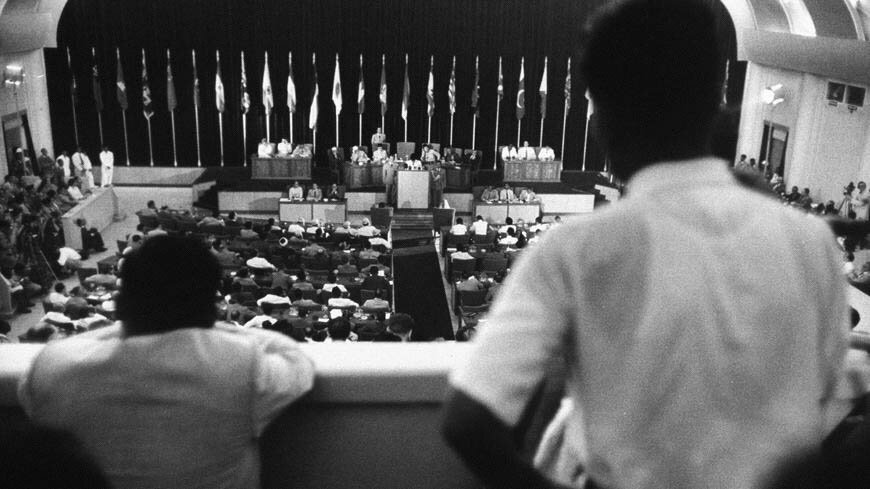
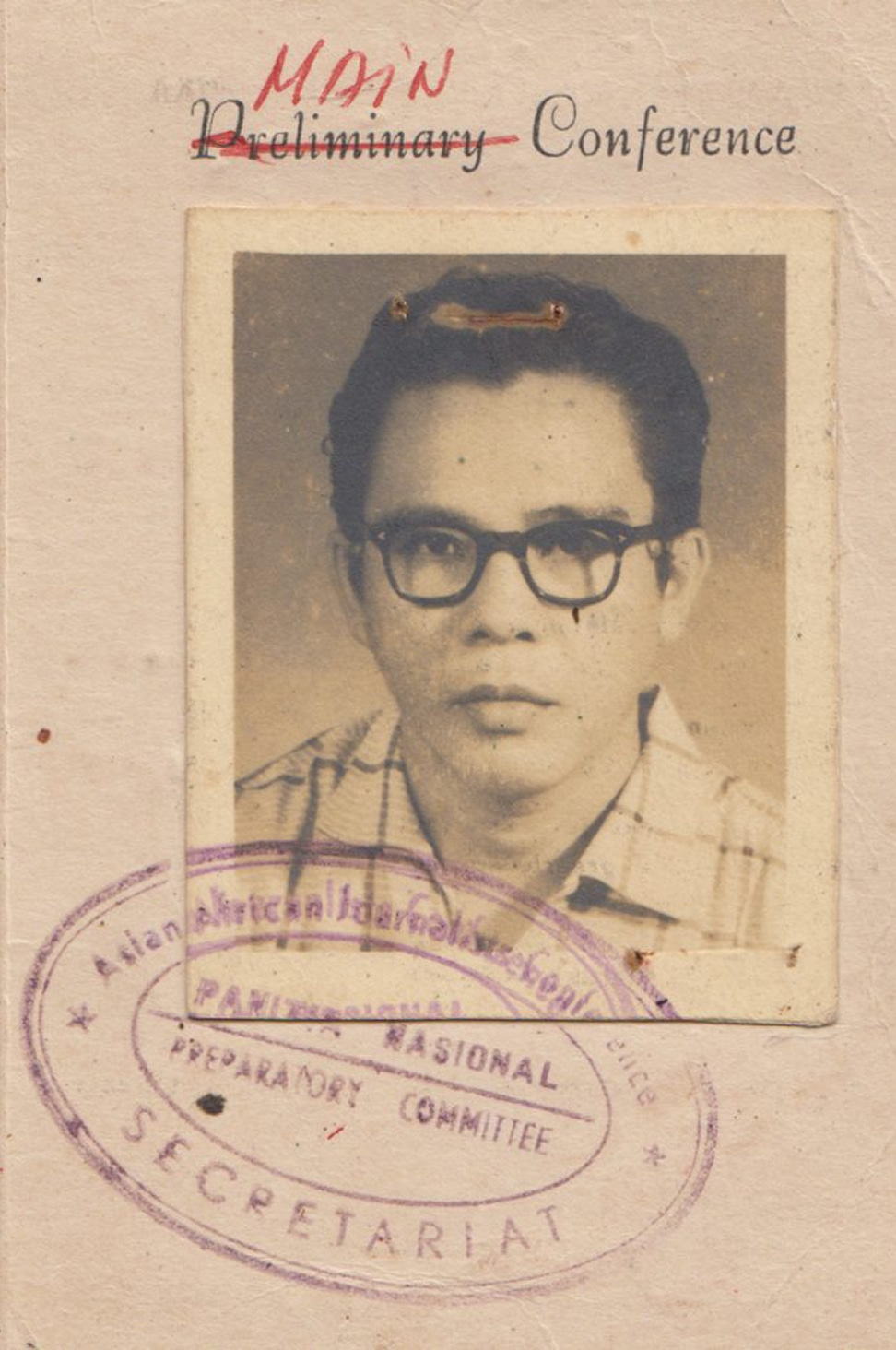
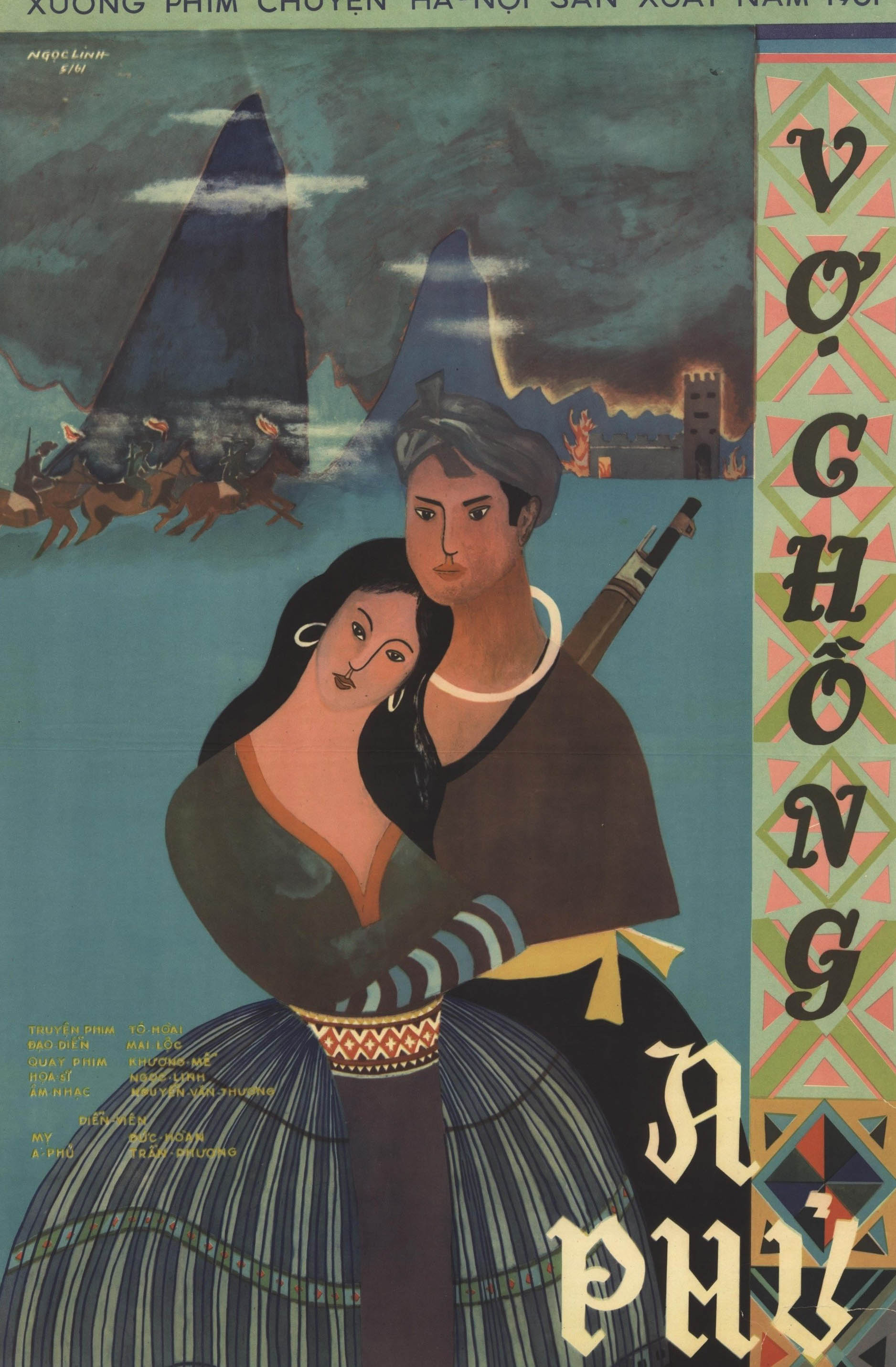
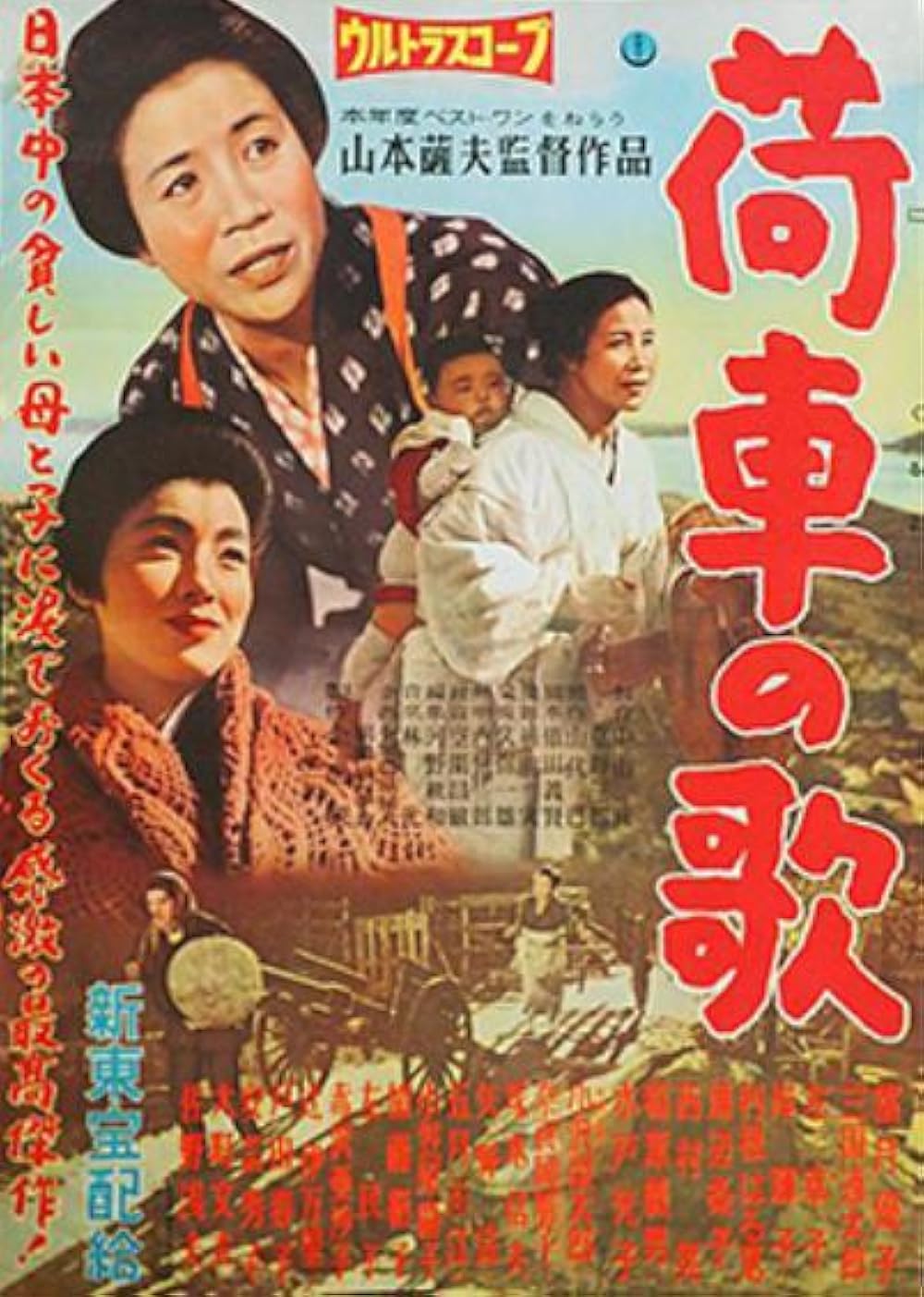
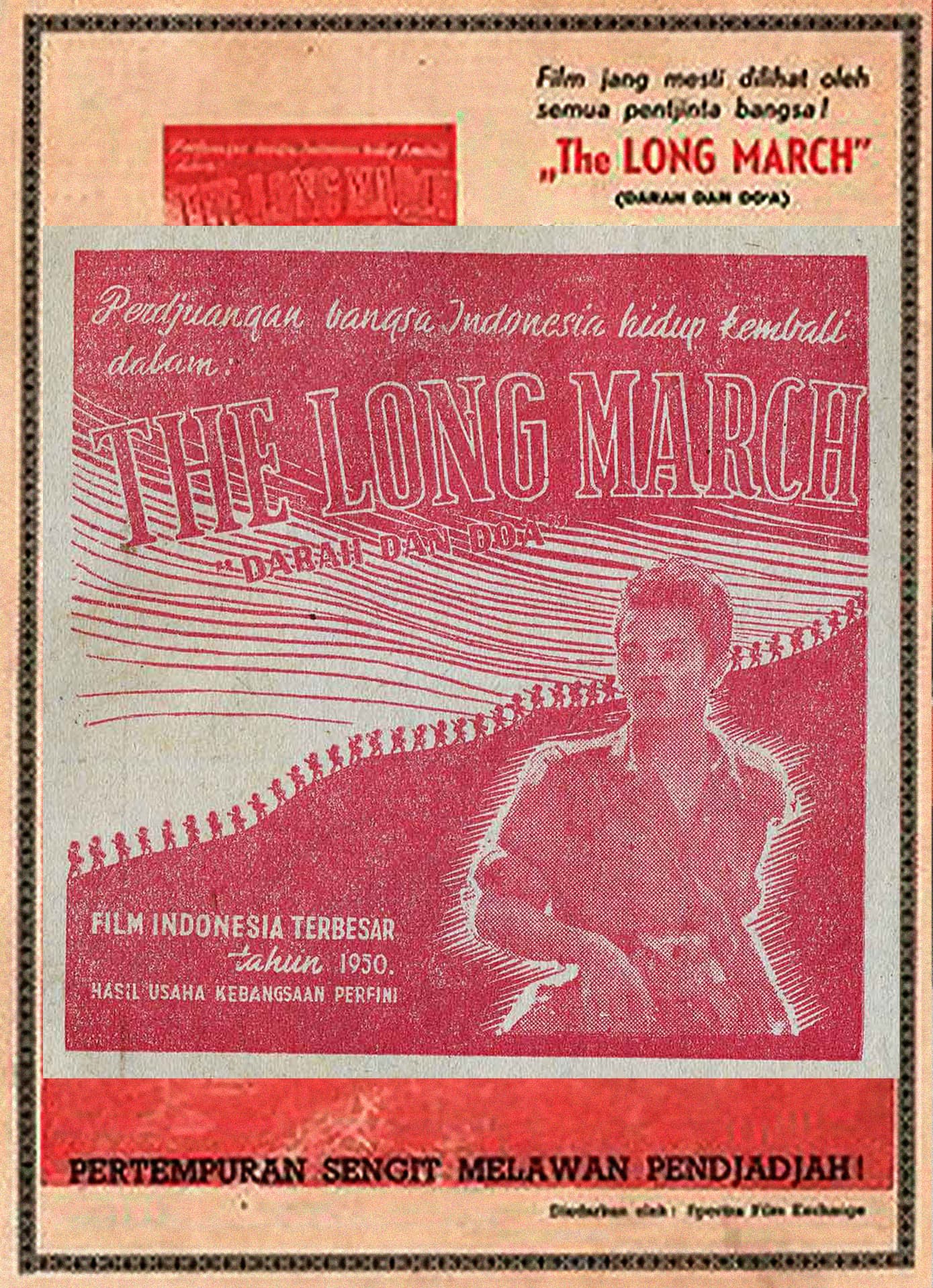
1955 Afro-Asian Conference,
Bandung
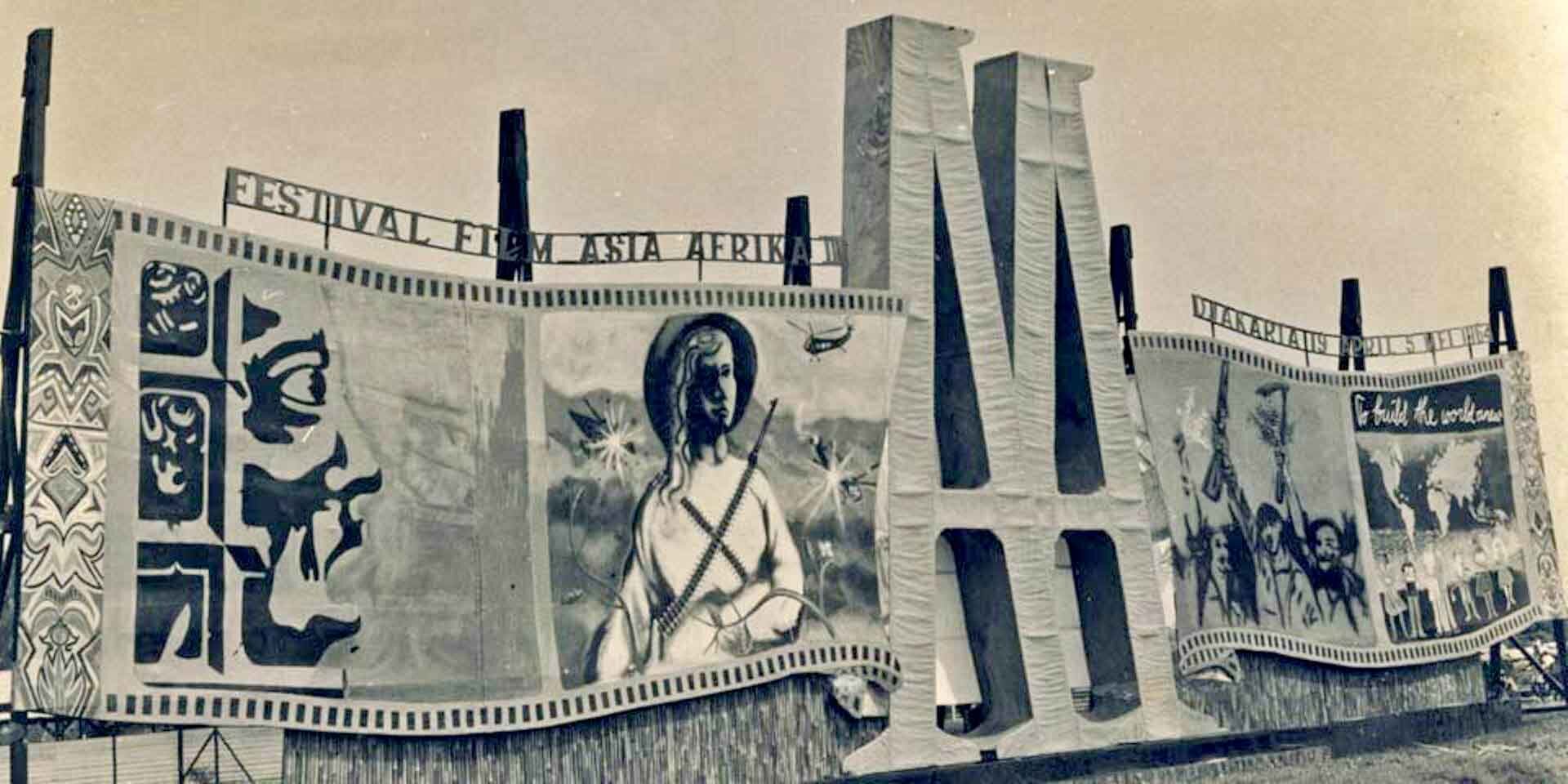
1964 Afro-Asian Film Festival,
Jakarta
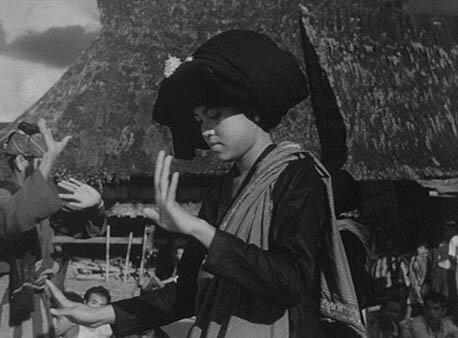
Turang (1957), dir. Bachtiar Siagian
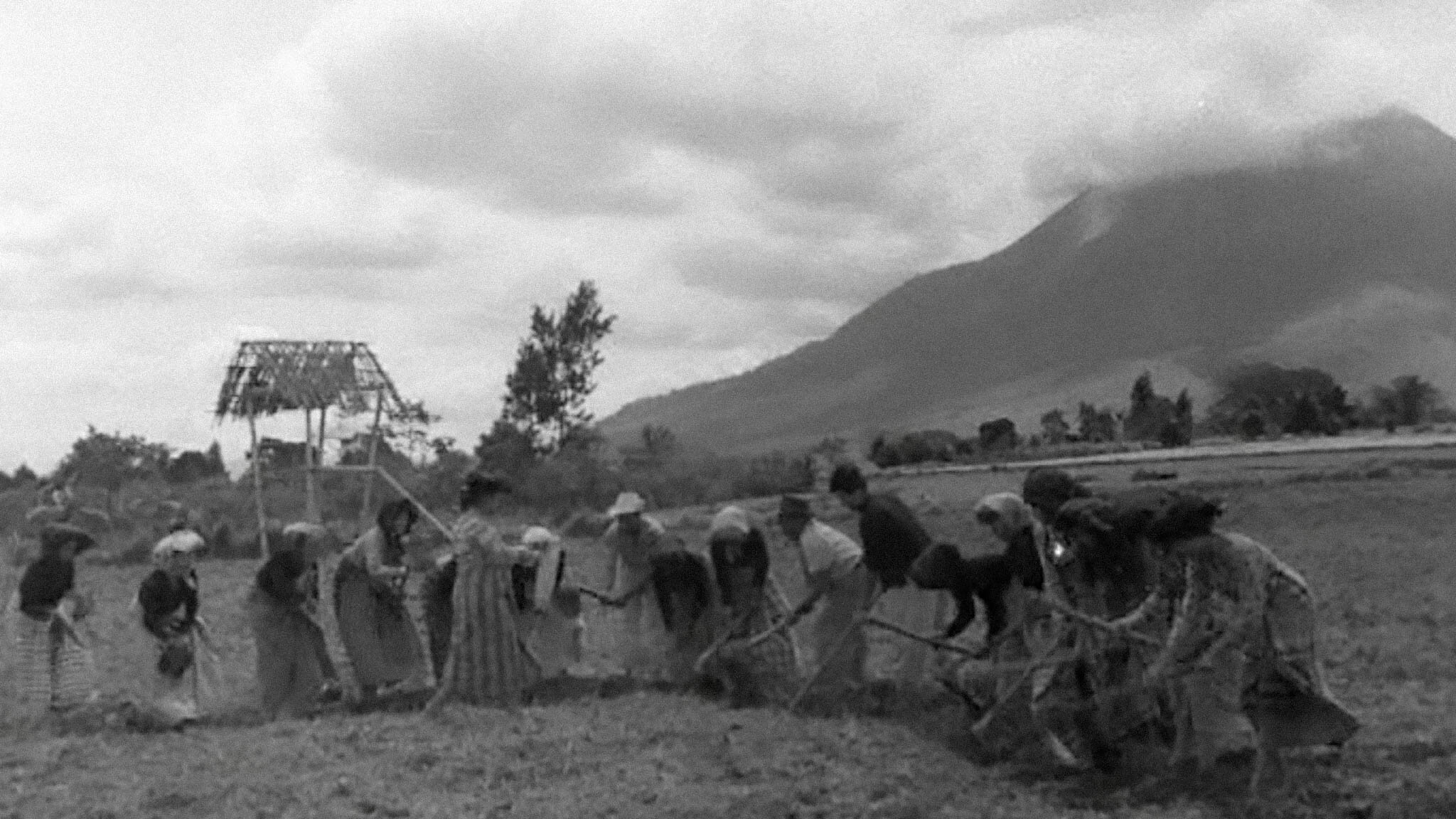
Turang (1957), dir. Bachtiar Siagian
Film scholar Adrian Jonathan's post-screening lecture reframed the experience:
Turang is not just a recovered relic, but proof that Indonesia helped shape the very ethos later known as Third Cinema.1*
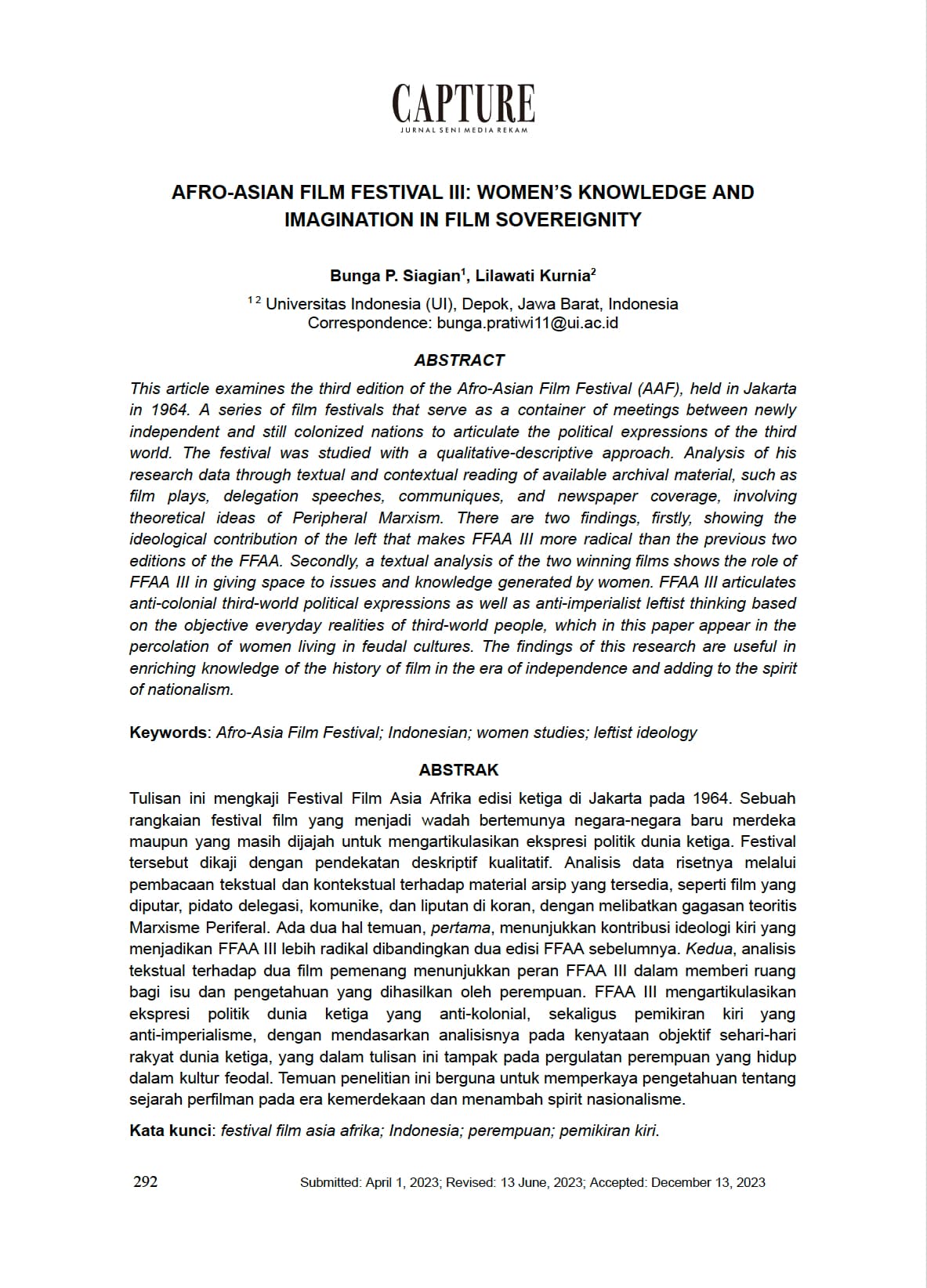
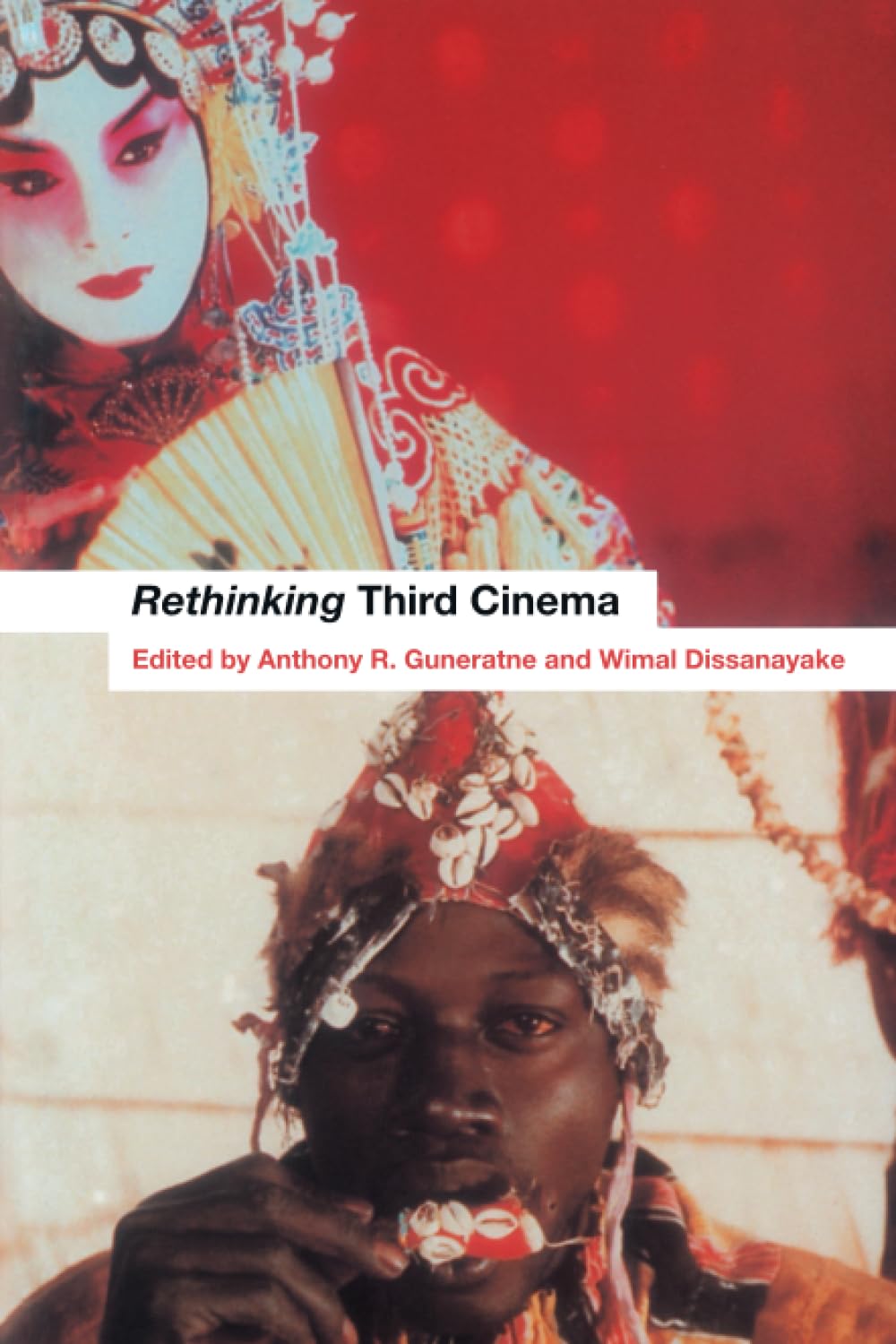
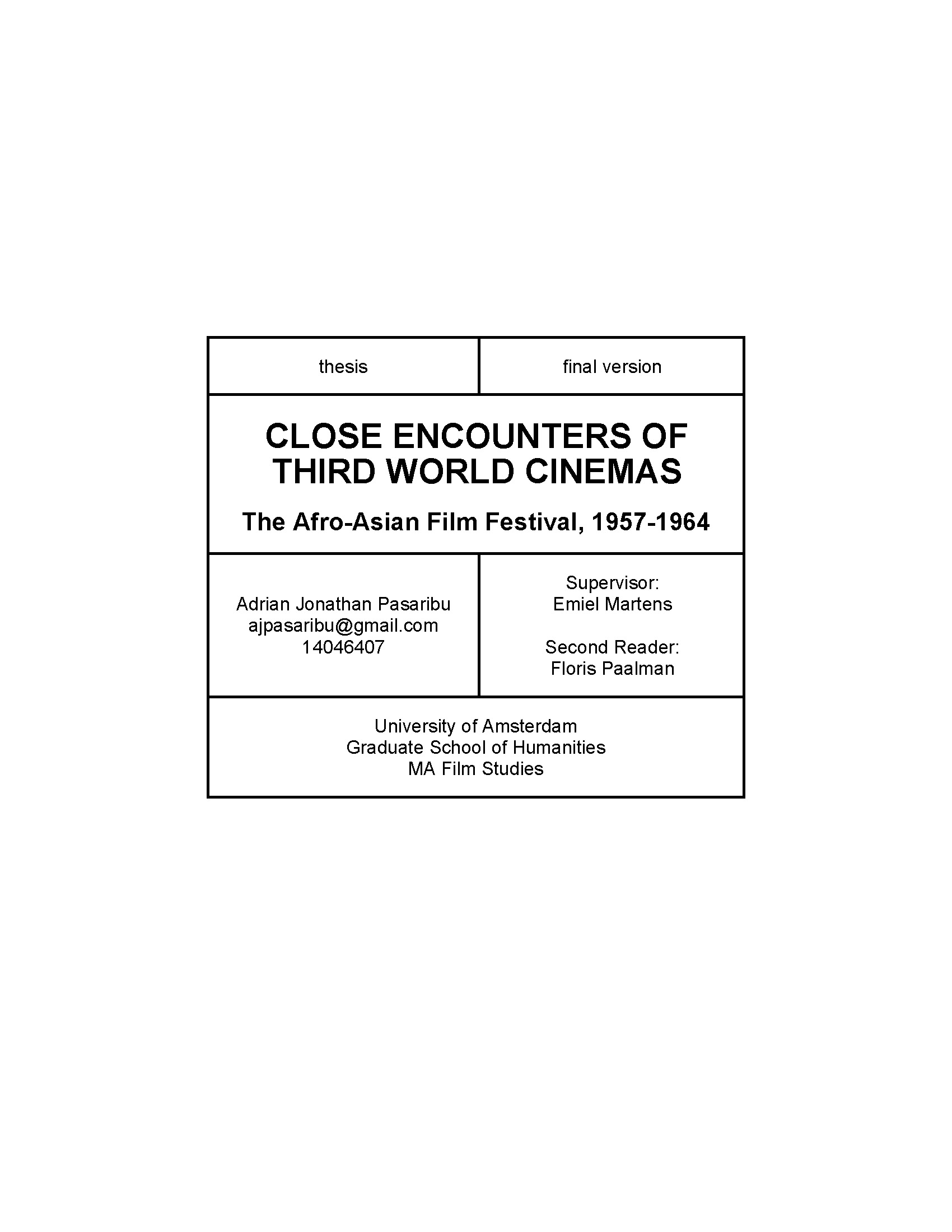
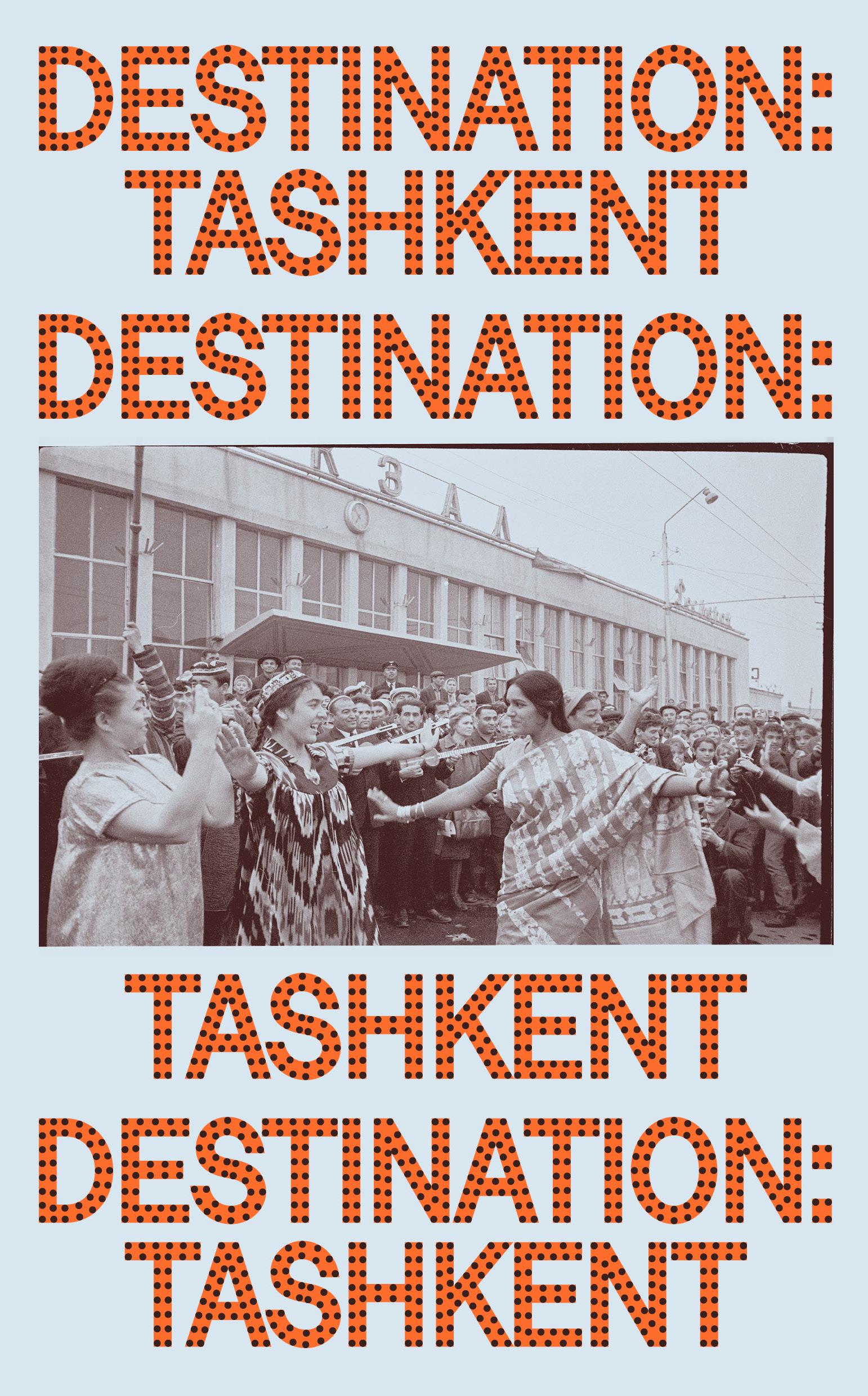
Before Solanas and Getino's The Hour of the Furnaces (1968), there was Bandung—the 1955 Afro-Asian Conference that birthed the idea of the Third World as an anti-imperialist coalition. The conference's spirit soon spilled into culture, culminating in the Afro-Asian Film Festivals in Tashkent (1958), Cairo (1960), and Jakarta (1964). These were the earliest attempts to develop a film culture of the colonised, a cinematic front of the Bandung spirit.
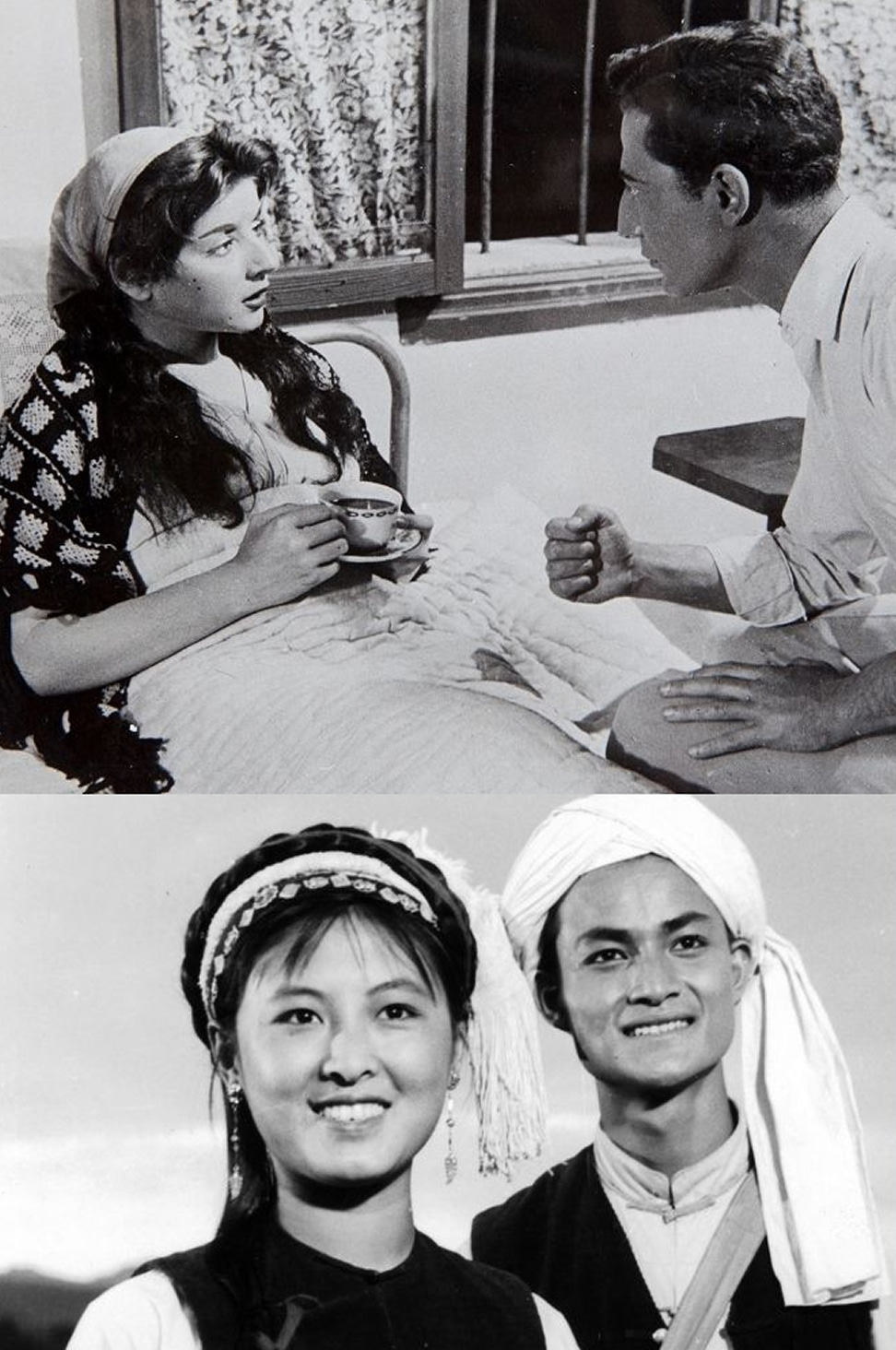
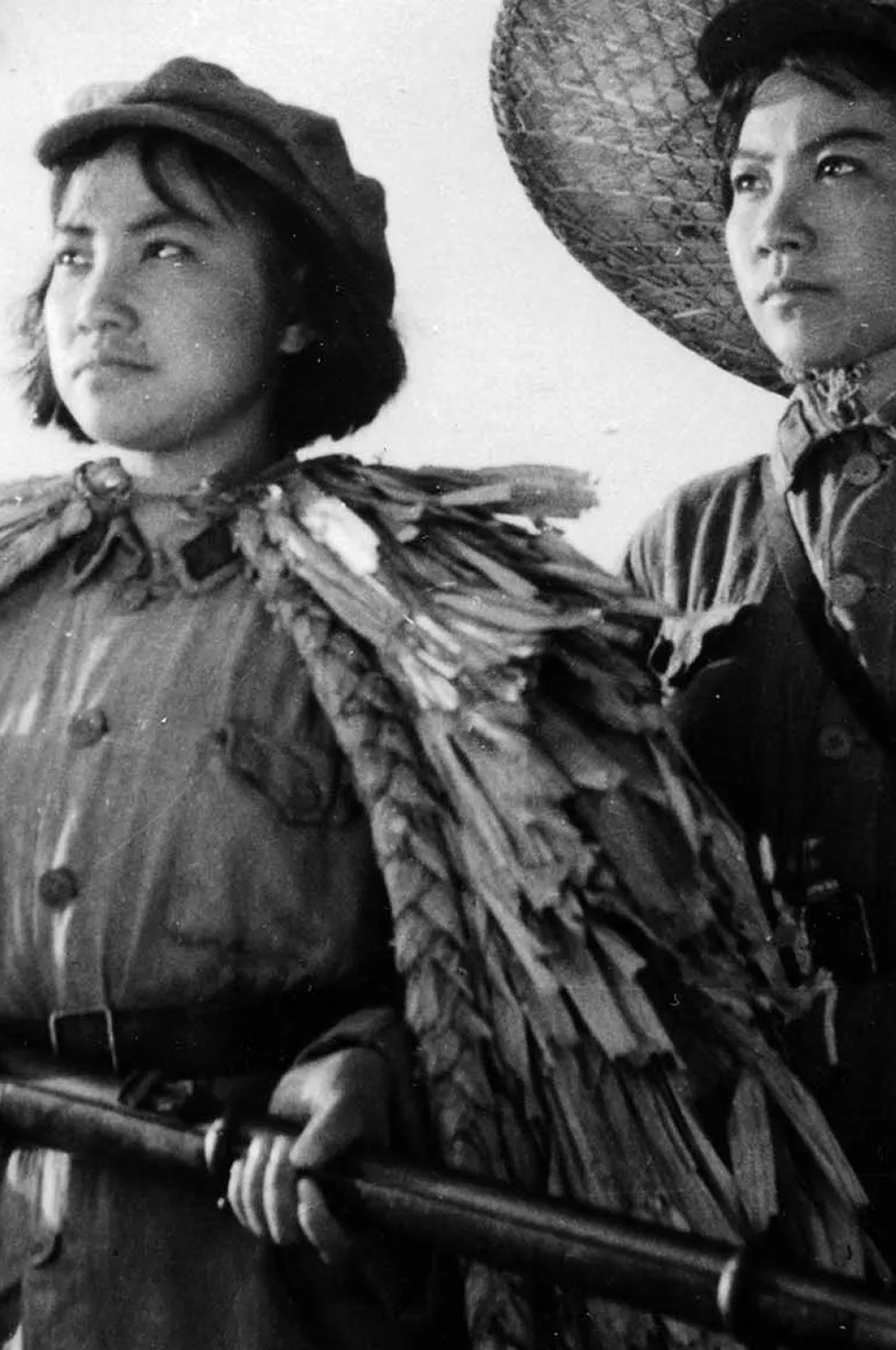
Turang was a star of this circuit. Rooted in socialist realism, it depicts Karo villagers in North Sumatra resisting Dutch occupation. But unlike typical war epics centered on soldiers, it foregrounds care, labour, and folk traditions—tending the wounded, cultivating land, singing together—as equally revolutionary acts. Revolution, the film insists, takes a village.
***
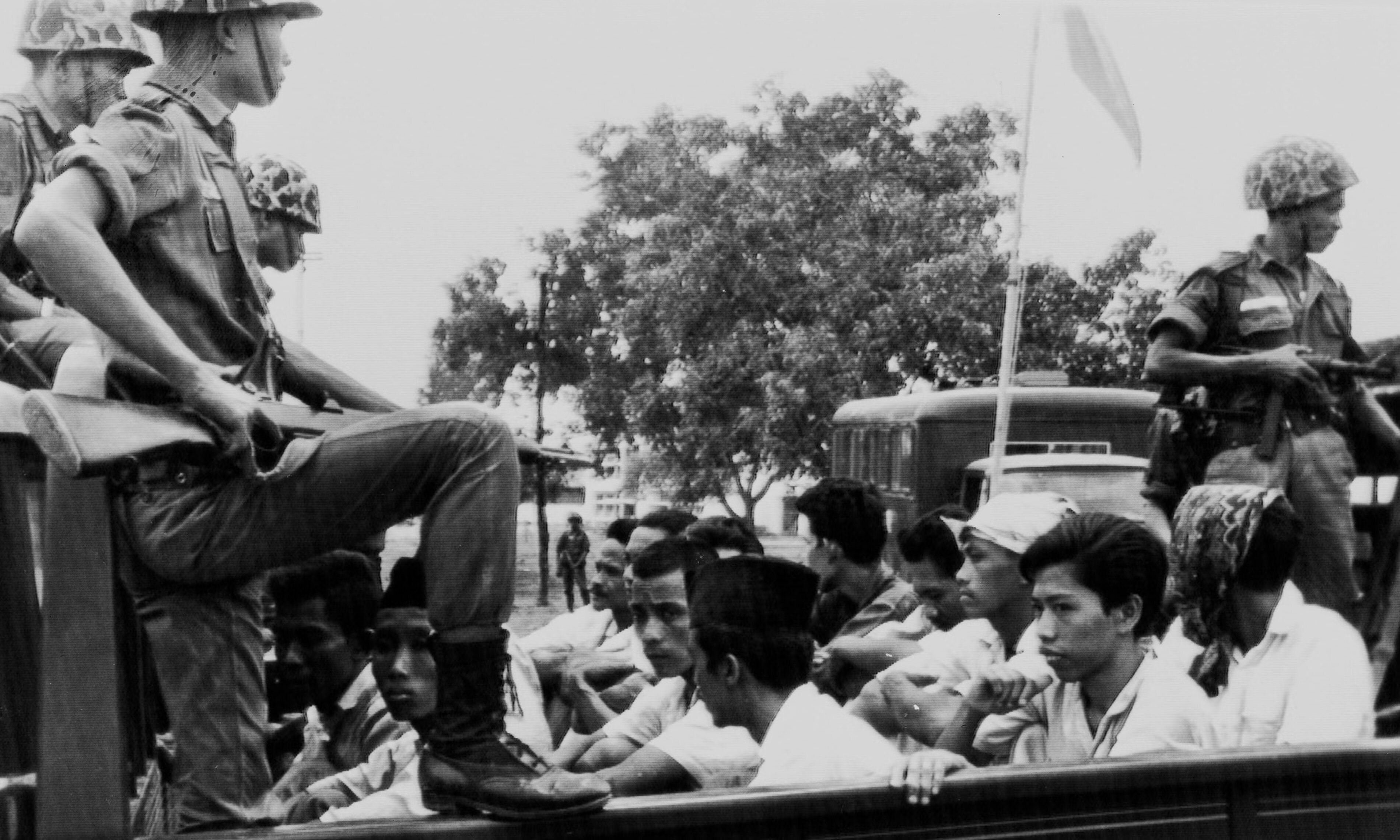
1964 Afro-Asian Film Festival,
Jakarta
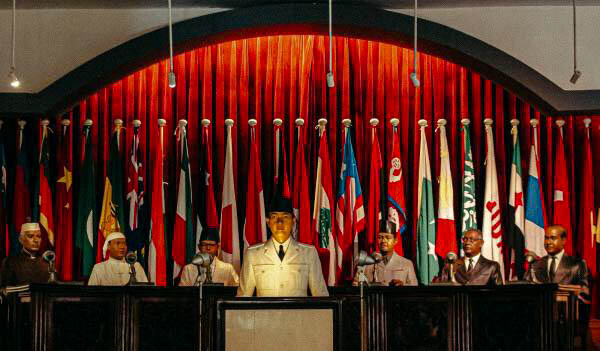
1955 Afro-Asian Conference,
Bandung
Then came 1965. The U.S.-backed military coup, the annihilation of the left, the slaughter of up to a million suspected communists. With them died not only lives, but also imaginations. The Afro-Asian film project evaporated, replaced by the New Order's authoritarian nationalism that exalted the military and oligarchs. The disappearance of scholars and activists across generations left a deep rupture in the continuity of thought and organising, severing communities from the radical vocabularies and collective practices that once sustained them. What Bandung had once promised—solidarity, common struggle, a people-centered world—was reduced to a hollow ritual, a touristy city museum stripped of its revolutionary force.
As someone born in Bandung, I find this loss crushing. I wrote Queers Shoot Back! believing radical cinema came from elsewhere, unable to see how my own city incubated the first dream of Third World solidarity. This is the deep wound of 1965: not only bodies obliterated, but entire horizons of imagination exterminated.
In 2025, as we marked seventy years of the Bandung Conference and the rediscovery of Turang, QAMERAD sought to revive that imagination. We turned to our comrades at Taman 65, or “Garden of 65,” a Bali-based community committed to resisting the enforced forgetting of the genocide. Our encounter was electrifying: visibly queer kids in dialogue with elders who had lost families in 1965—two generations often presumed to exist on opposite ends of memory and politics. For some of us, there had been hesitation at first, shaped by the assumption that survivors of such violence might be wary or dismissive of queer issues.
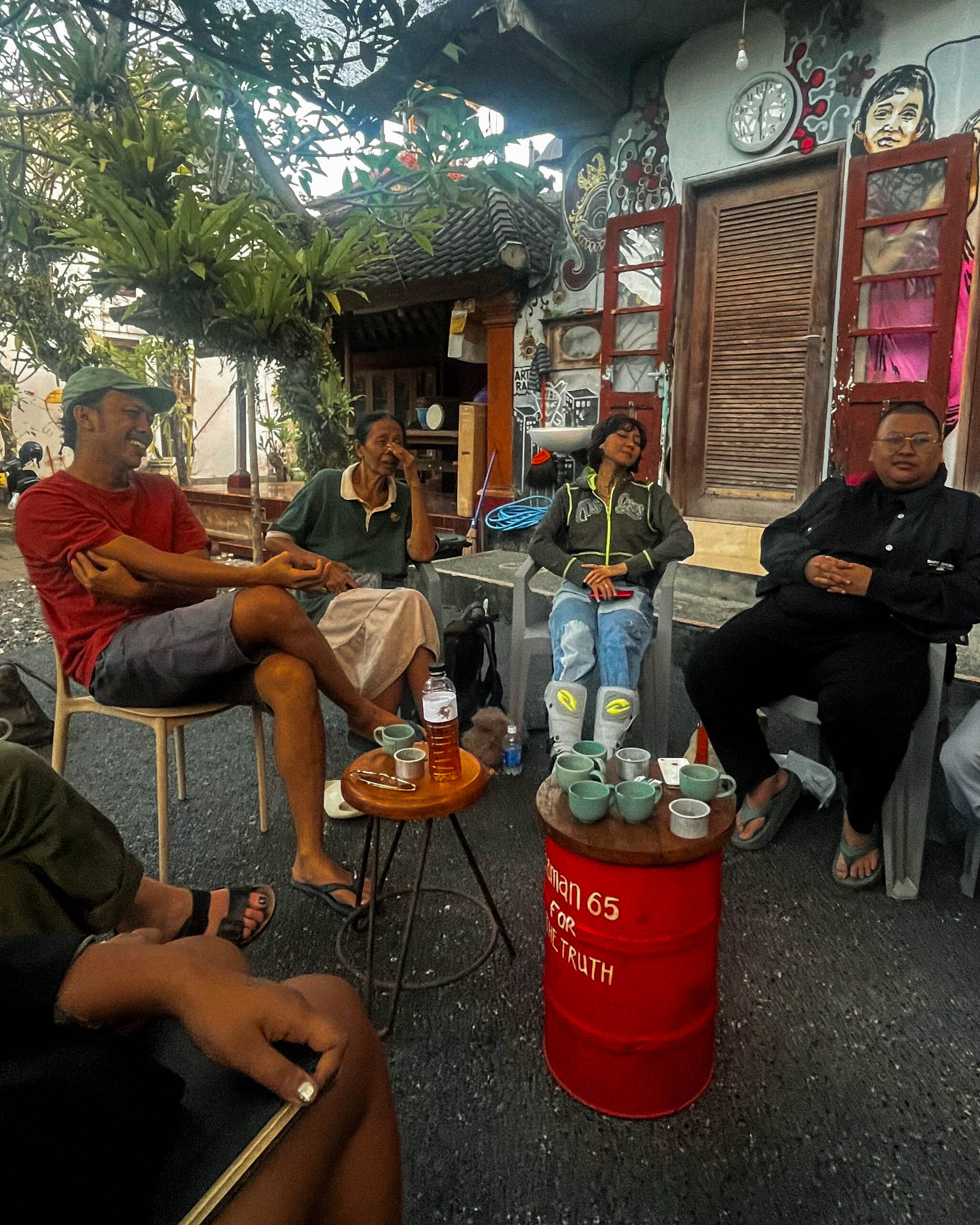
QAMERAD organisers in dialogue with elders
(Rizky Rahad)
Yet what unfolded defied those fears. In that meeting, something sparked—an unexpected recognition that the synapses between struggles, so often numbed by siloed or identity-based organising, could still fire with care, curiosity, and solidarity. Together we asked:
What if “queer” is not just identity politics, but a praxis of worldbuilding, of caring across ruptures, of restoring connections cut by violence?
***
.DjKy5jl7.jpg)
Senam Kebugaran Imajinasi
(Rebecca Jessica)
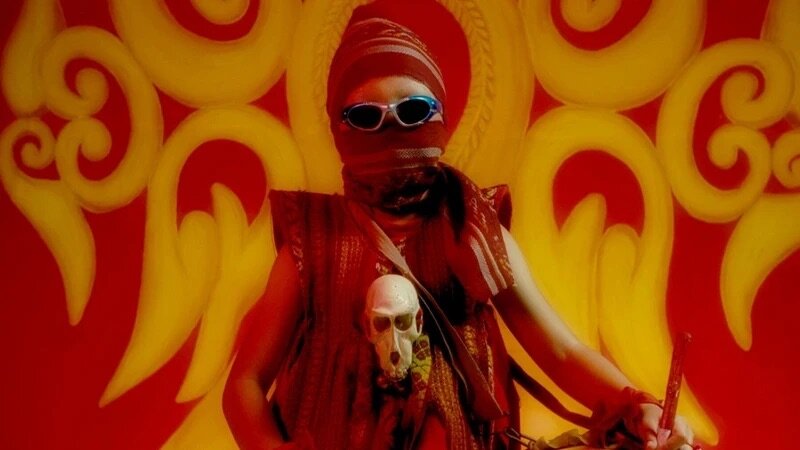
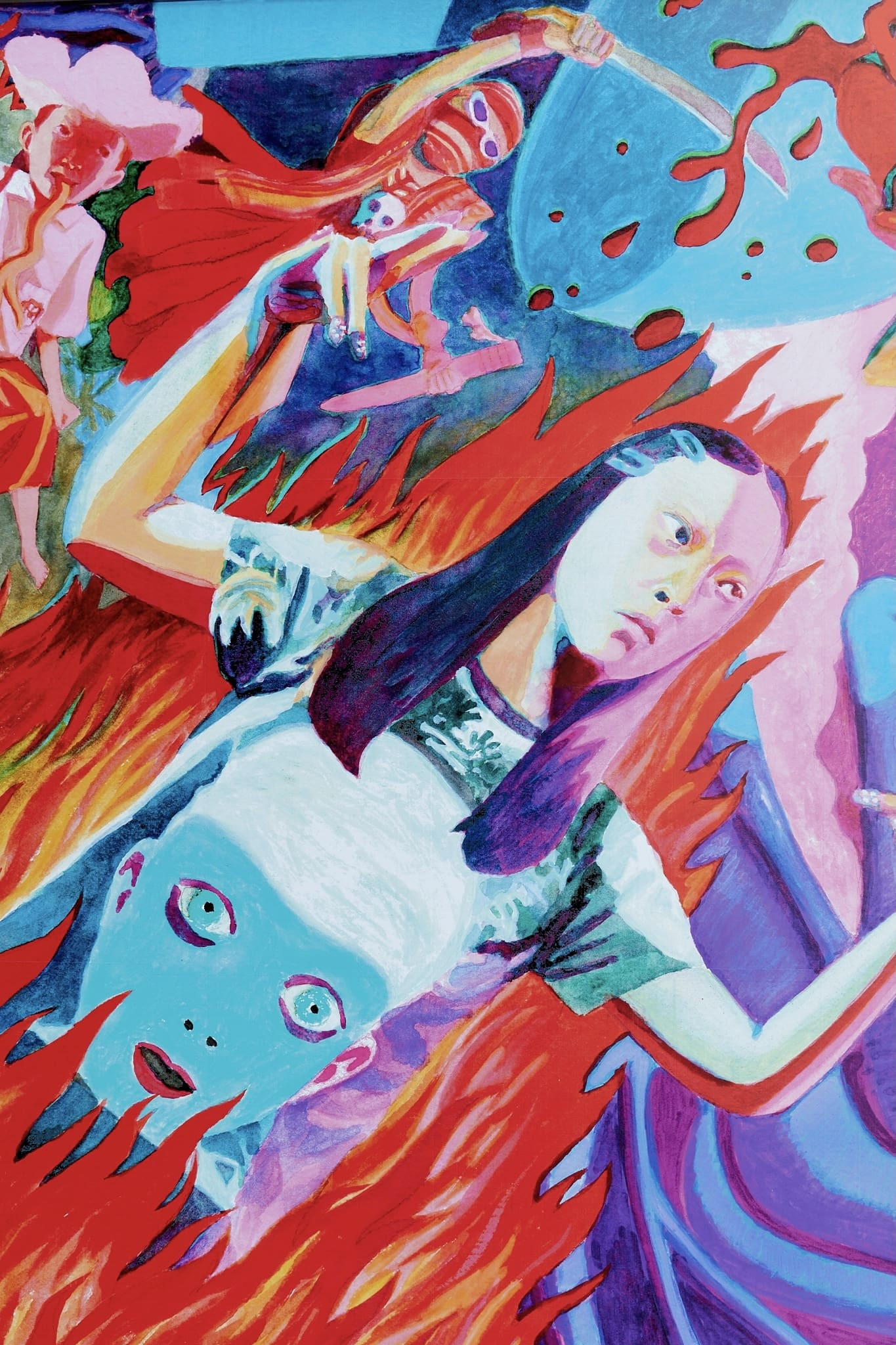
Garden Amidst the Flame (2022), dir. Natasha Tontey
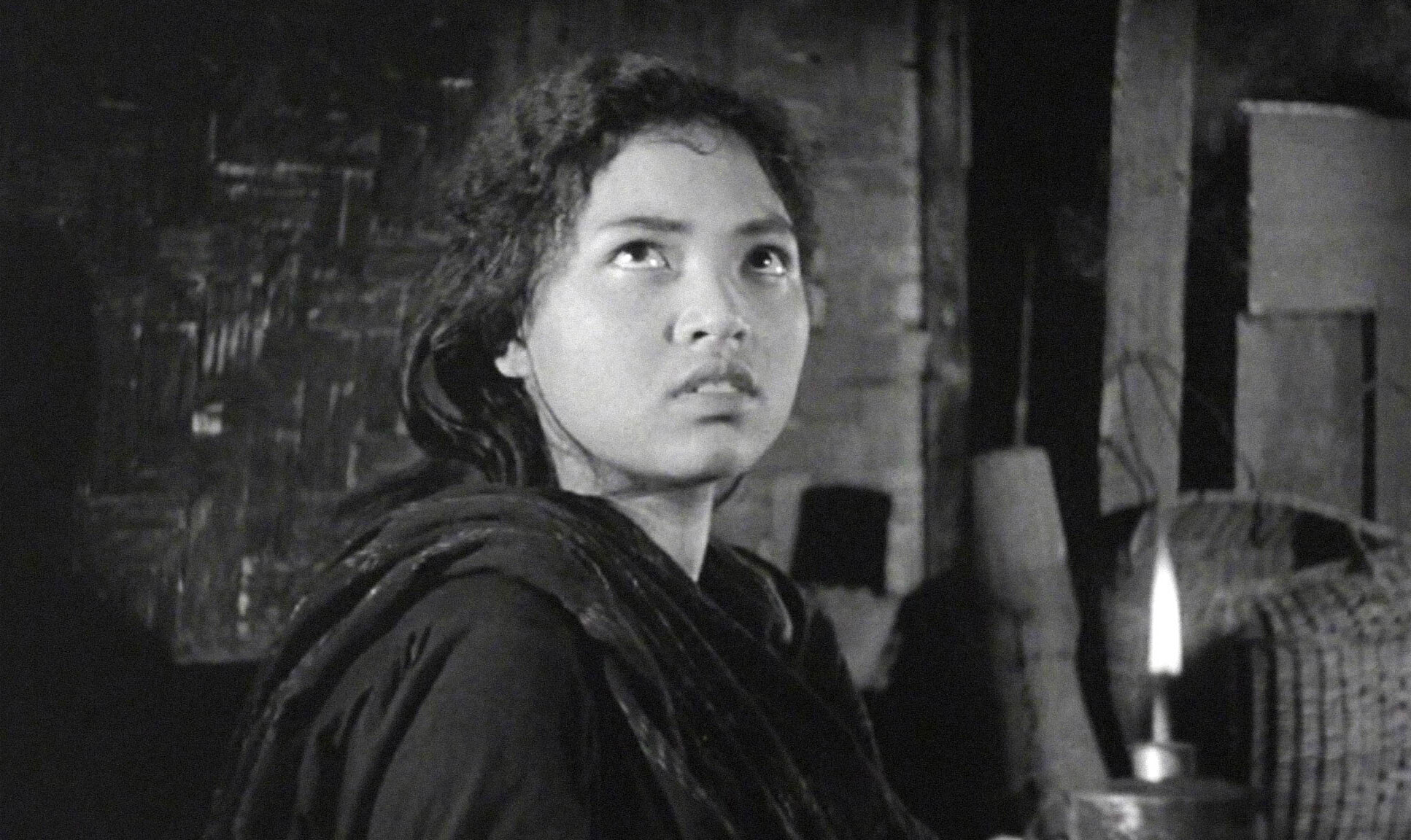
Tipi, whose father is the chief of the Dutch-occupied village comes to give care to an injured freedom fighter after resisting the Dutch army
From this alliance emerged our Senam Kebugaran Imajinasi—Imagination Fitness Exercise. Borrowing the vernacular of Senam Kebugaran Jasmani, Indonesia's state-orchestrated aerobics, we transformed it into a collective ritual of speculative exercise. The program paired Turang with Natasha Tontey's Garden Amidst the Flame (2022), a queer fantasy where Minahasan girls inherit magical powers and resist patriarchal cosmology through play, ritual, and kinship. On the surface, a mid-century socialist realist drama and a 21st-century speculative fabulation could not be more different. Yet together they staged a dialogue on imagination as resistance: Turang rooting liberation in collective care, Garden conjuring queer futures where resistance is inseparable from joy and kinship.
Here, the words of Sudanese writer Leena Habiballa echo. In her article “The Visual Life of Revolution: Archival and Counter-archival Narratives of Revolt,”2* she reminds us that the memory of revolution is often reduced to spectacle: crowds, clashes, martyrs. These images inspire but also confine, teaching us to see revolt only in violence and confrontation. What vanishes is the everyday labour that sustains movements—the feeding, tending, repairing, sheltering. Habiballa calls this overlooked domain “rebellious worldmaking”: the tender depths of camaraderie, the mundane yet radical acts that stitch another world into being.
Turang embodies this counter-archive of revolution. Its most radical gesture is not a battle scene but a girl, Tipi, sheltering an injured fighter, embodying revolutionary solidarity through care. Revolution here is not only the clash of guns but also the weaving of kinship.
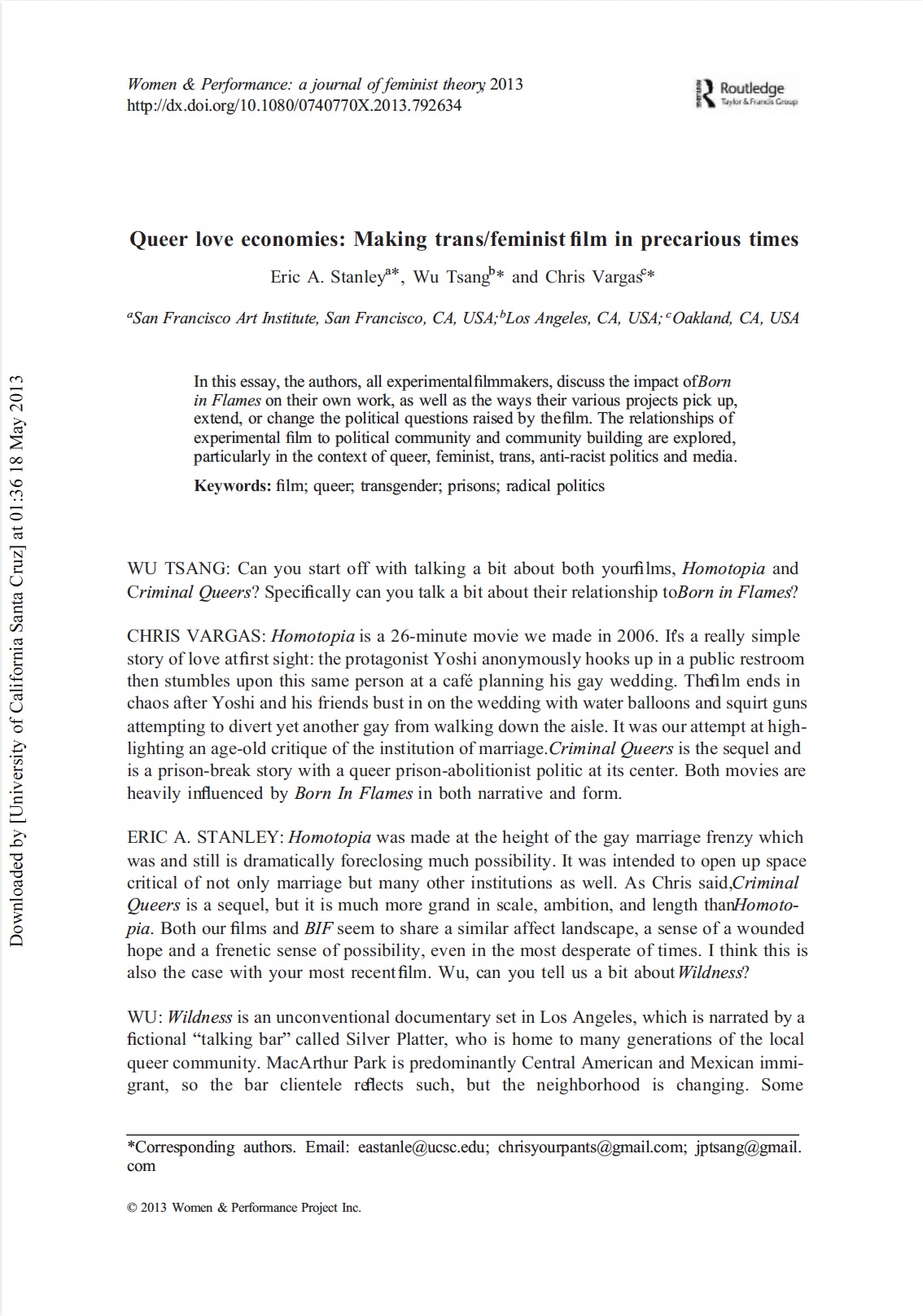
This resonates with scholar Eric A. Stanley's warning, in conversation with Wu Tsang and Chris Vargas on queer political filmmaking, that revolutionary violence risks reproducing the masculinist force of the State.3* To resist domination, revolution must be more than fire and blood; it must also dismantle patriarchal logics that lurk within. Which is why, as queer theorist José Esteban Muñoz reminds us in Cruising Utopia, queerness is not an escape from politics but a mode of inhabiting the future in advance.4*
Queer aesthetics map potential worlds. They do not deny struggle but expand its horizon beyond the masculinist theatre of war.
.sRCwvBxf.jpg)
.Bzzqn6nm.jpg)
Senam Kebugaran Imajinasi
(Hadhi Kusuma)
In this sense, Garden Amidst the Flame re-enchants Turang. Its speculative world of girls' magic is not an escapist fantasy but a grammar of futurity. Black feminist cultural theorist Tina Campt calls this politics of “prefiguration”: living the future you want, now, in the present, as an imperative.5* Tontey's film insists that rituals of play and kinship are already forms of resistance, that queer futurity can be enacted even amidst colonial and patriarchal ruins.
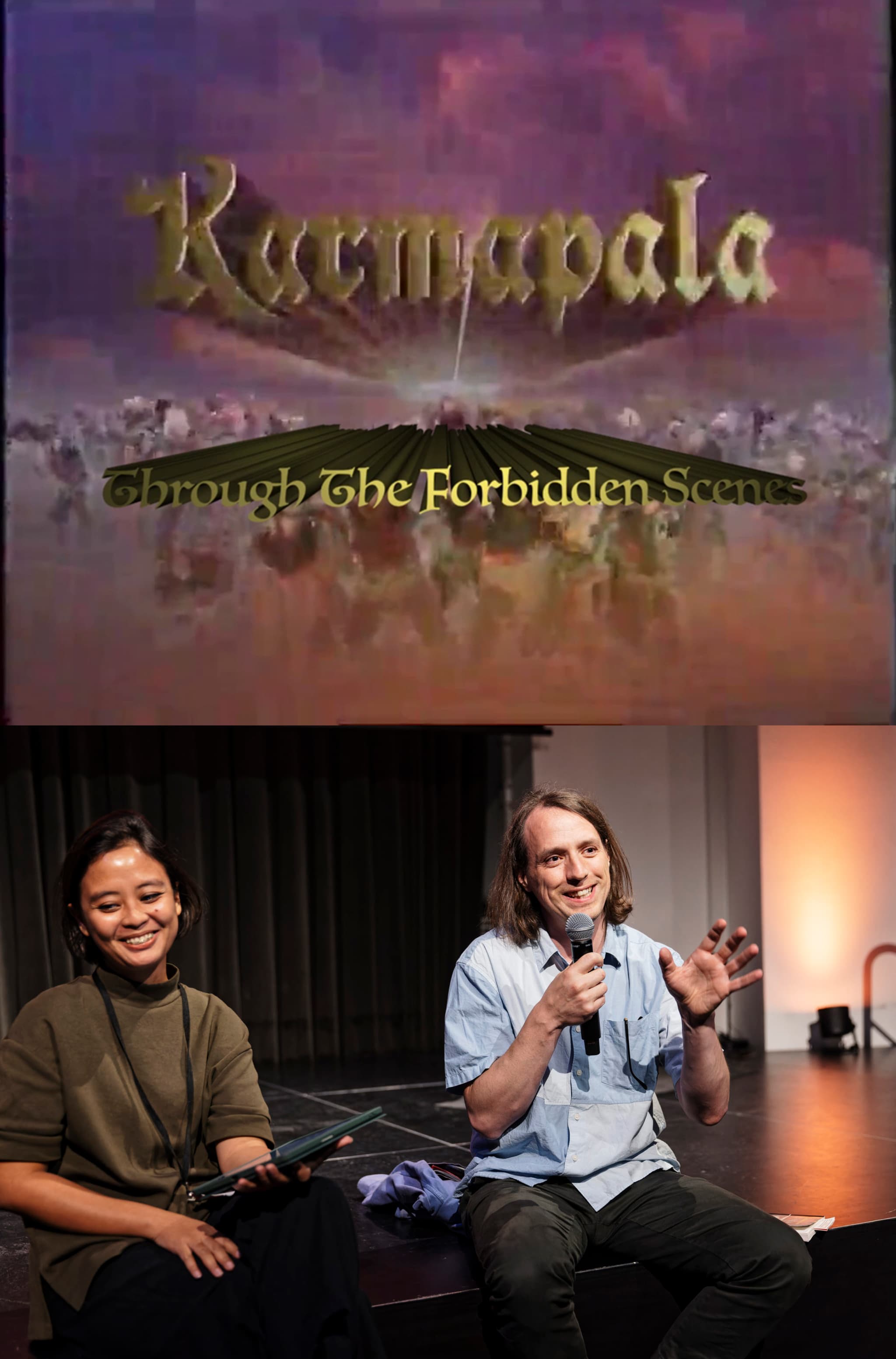
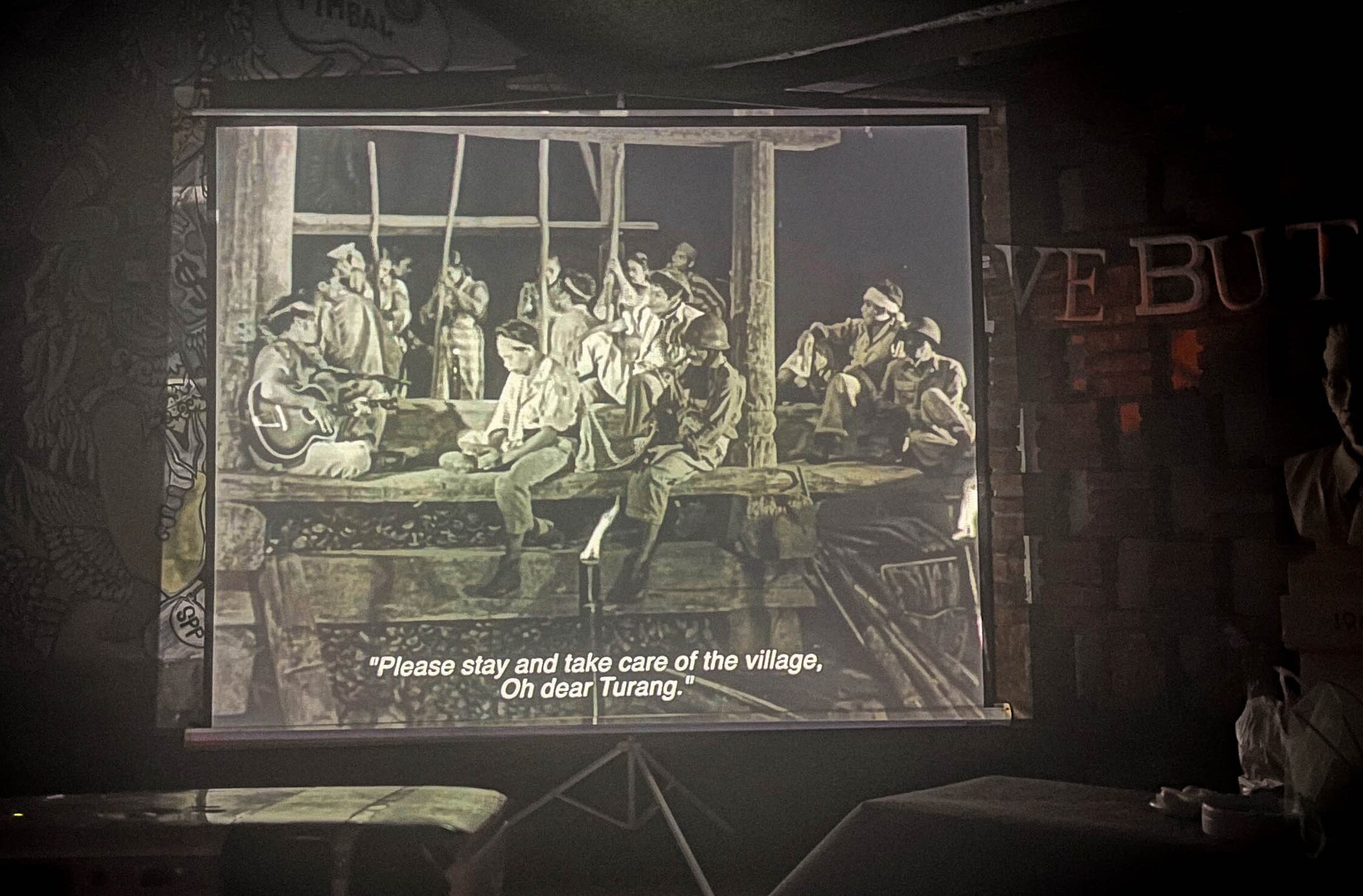
We went ahead with the screening. When Turang and Garden played side by side on August 30, 2025, just blocks from the protests, the convergence felt uncanny. Outside, the police clashed with our comrades on the frontline. Inside, we were enacting another form of revolt—imagining, discussing, drawing, sharing food. Through the toolkit zine and breakout exercises we developed, the screening expanded into a collective rehearsal––an experiment in imagining the world we sought to create.
This was not a retreat from revolution but instead its sustenance. As Turang reminds us, revolution is not only the ecstatic outburst but the quiet work of sustaining bonds. Cinema, activated as commoning, becomes part of that sustenance: not a spectacle of representation but an embodied practice of imagining otherwise.
Here lies the shift in my own thinking since Queers Shoot Back! When it was first published two years ago, I argued for queer cinema as resistance to violent representation. That argument emerged from a place of urgency—a reaction against erasure and dehumanisation that defined so much of queer representation in Indonesia.
.CQx57ruK.jpg)
QAMERAD Team
(Gloria Stephanie)
But the encounters of the past two years—the forming of QAMERAD, the rediscovery of Turang, the dialogues with genocide survivors and Palestine liberation organisers—have reoriented that urgency. Today, I see queer cinema as a practice of care and commoning—worldbuilding in the midst of fire. To screen films is to sustain revolt by cultivating the imaginations that violence seeks to extinguish.
This is why, in our Senam Kebugaran Imajinasi, revolution did not mean postponing queer cinema until after victory. It meant weaving queer cinema into the fabric of uprising, ensuring that when the old world crumbles, seeds of another are already germinating.
If Turang showed us that anti-colonial resistance requires care as much as combat, Garden reminded us that queerness is the power to fabulate futures even in ruins. Together, they bridged a stolen past and a speculative horizon, offering not nostalgia or utopia but a continuum of struggle.
From Bandung to Denpasar, from the Afro-Asian Film Festivals to our guerrilla screenings, the lesson persists: revolution is not just seizing power, but tending the garden amidst the flames. A revolution worthy of its name must make care inseparable from resistance. And perhaps, in such a world, queerness as a unique category would no longer be needed—because the world itself would already be structured in care, kinship, and solidarity.
Two years after Queers Shoot Back!, this is what queer means to me: not only to resist the violence of representation, but to cultivate life after it. That cinema, when activated as commoning, is not merely a screen for liberation but also its enactment.